
When a major chemical manufacturer faces a lawsuit, people understandably want clear answers—especially if the case could affect their health, property, or financial well-being. Recently, many Americans have been searching for details about the Biolab class action lawsuit, how to join a claim, and what the potential lawsuit settlement might look like.
Whether you’ve heard about Biolab because of an industrial accident, chemical release, workplace exposure, or product-related concerns, this guide explains everything in simple, everyday language. You’ll learn the background of the case, who may be affected, what the lawsuit argues, what’s at stake, and how the legal process typically unfolds.
Let’s break it down step by step.
What Is the Biolab Class Action Lawsuit About?
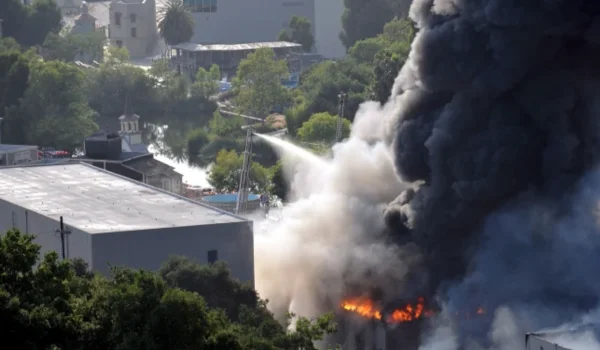
Biolab is known for manufacturing pool and spa chemicals, household cleaning products, and industrial chemical supplies. Over the past several years, various issues have drawn public attention—including plant fires, chemical releases, and environmental concerns. These events have led to several lawsuits against Biolab, including class action filings.
Here are the most common issues behind the Biolab class action lawsuits:
- Chemical Plant Fires
One of the biggest triggers for legal action has been fires at Biolab’s manufacturing facilities. Chemical plant fires can release smoke, fumes, and hazardous substances into nearby communities, prompting evacuations and property damage.
Residents and businesses in surrounding areas may claim that Biolab:
- Failed to maintain safe facilities
- Did not follow proper chemical-handling protocols
- Caused environmental contamination
- Led to property damage or temporary relocation
- Environmental and Health Concerns
Some lawsuits allege that chemicals released into the air or water could cause:
- Respiratory irritation
- Long-term health risks
- Contaminated soil or water supply
- Economic Losses
Local businesses may argue they lost income due to:
- Evacuation orders
- Facility closures
- Decreased local tourism or customer traffic
- Property Damage and Cleanup Costs
Homeowners and renters may report damage from:
- Chemical odors
- Smoke exposure
- Contaminated surfaces
- Debris cleanup
These concerns often shape the core of a class action lawsuit—where a group of affected people joins together to hold a company accountable and seek compensation.
Who Is Affected by the Biolab Class Action Lawsuit?
If you’re wondering who can claim, here are the groups most commonly included in Biolab-related class action filings:
- Nearby Residents Living Close to a Biolab Facility
People who lived within the evacuation zone or close to the plant during a chemical fire or release may qualify.
- Homeowners and Renters With Property Damage
Those who experienced:
- Smoke damage
- Lingering chemical odors
- Contaminated outdoor areas
may be part of the affected class.
- Local Businesses
Shops, restaurants, and service providers that lost revenue during or after the incident may be eligible for compensation.
- Individuals With Health Symptoms
People who experienced:
- Breathing issues
- Skin irritation
- Eye irritation
after a chemical release may be part of the lawsuit.
- Workers Employed at or Near the Facility
Some cases may include employees who were exposed to chemicals or suffered financial losses because of closures.
Each class action has its own formal “class definition,” which the court approves later in the case. That definition explains exactly who qualifies.
Simple Timeline of the Biolab Class Action Lawsuit
Every class action lawsuit moves through stages. The timeline below is a simplified version of what typically happens in cases involving environmental or industrial incidents.
- Incident Occurs
A major event—such as a fire, chemical leak, or mass exposure—triggers public and government responses.
- Initial Complaints Filed
Affected residents, workers, or businesses file lawsuits. Because many people are involved, attorneys may decide to pursue a class action.
- Investigations Begin
Lawyers, environmental agencies, and regulatory bodies start gathering evidence about:
- Chemical handling
- Safety procedures
- Plant maintenance
- Environmental impact
- Class Certification Requested
Attorneys ask the court to group affected individuals into a single class. The court reviews whether the case qualifies as a class action.
- Negotiations Start
Once the class is certified (or even before), attorneys for both sides may begin settlement talks. A lawsuit settlement can include:
- Compensation for property damage
- Reimbursement for evacuation costs
- Payments for lost business income
- Medical monitoring funds
- Settlement Announcement or Trial
If both sides reach an agreement, the court reviews and approves it. If not, the lawsuit may continue to trial.
- Claim Submission Opens
After settlement approval, eligible people can submit claim forms—often online.
- Payouts Distributed
Payments are usually sent by check, direct deposit, or digital payment once the settlement becomes final.
What’s at Stake in the Biolab Class Action Lawsuit?
A class action lawsuit against a chemical manufacturer can involve significant issues that affect community safety and finances.
For Individuals
- Compensation for health symptoms
- Reimbursement for hotel stays or evacuation costs
- Payments for damaged property
- Cleanup or restoration funds
For Homeowners
- Compensation for decreased property value
- Repairs for contamination damage
For Local Businesses
- Lost revenue claims
- Compensation for closures or reduced customer activity
For the Company
Biolab could face:
- Large settlement payments
- Requirements to improve safety measures
- Regulatory penalties
- Long-term oversight
For Communities
The lawsuit may push for improved chemical-handling standards, better emergency response plans, and more transparent communication during industrial incidents.
What to Watch Next (Latest Case Update Expectations)
Since industrial-related class actions take time to move through the legal system, here are the key updates people usually watch for:
- Court Decisions on Class Certification
This will determine exactly who qualifies for compensation.
- Environmental Reports
Government and independent studies may confirm what chemicals were released and their impact.
- Settlement Negotiations
At any time, Biolab may enter talks with plaintiffs to resolve the lawsuit.
- Official Claim Website
If a settlement is reached, the court will approve a website where eligible people can sign up.
- Payment Timelines
These are usually posted once terms are finalized.
If you live near a Biolab facility or were affected by a chemical incident, staying informed through court filings or attorney announcements is helpful.
FAQ: Biolab Class Action Lawsuit
- How do I know if I qualify for the Biolab lawsuit settlement?
Eligibility depends on where you lived or worked during the incident, whether you experienced damage or symptoms, and whether you fall within the court-approved class definition. Once a settlement is announced, eligibility rules become clear.
- Do I need evidence to file a claim?
Not always. Many class actions use official records—like evacuation zones, environmental reports, or purchase records—to verify claims. However, documents like photos, receipts, or medical notes may strengthen your submission.
- How much money could I receive?
Class action payouts vary based on:
- Type of damage (property, health, business loss)
- Number of claimants
- Total settlement amount
Some people may receive small payments, while others may qualify for larger compensation.
- Do I have to pay to join the lawsuit?
No. Class action participation is free for affected individuals. Attorney fees are paid from the settlement—never out of your pocket.
- Will the case affect Biolab operations?
Some settlements require companies to improve safety systems, report chemical handling issues, or submit to monitoring. These changes help prevent future incidents.
- When will the case end?
Class actions involving environmental incidents can take months or years. The timeline depends on investigations, negotiations, and court schedules.

 Oliver Johnson is LawScroller’s Senior Legal Correspondent specializing in civil litigation, class actions, and consumer lawsuit coverage. He breaks down complex settlements and court decisions into clear, practical guidance for readers.