
Tampa’s a big city on the Gulf Coast in Florida. Tampa is home to Tampa Bay, beaches, Busch Gardens with all the rollercoasters and animals, and Ybor City with its old Cuban and Spanish vibe. It’s a busy place, with lots of cars, buses, and people going everywhere, and unfortunately, lots of accidents as well.
While all types of road accidents can be devastating, bus accidents often cause more chaos. This is mostly because the number of people injured might be more, the number of possible liable parties increases, and even the process could get more complex. When such cases happen, getting legal assistance after a bus accident in Tampa is non-negotiable.
Someone to walk you through each step, to make sure you don’t lose money, health, or peace of mind while fighting with insurance companies or bus companies.
These are the steps you should take after a bus accident:
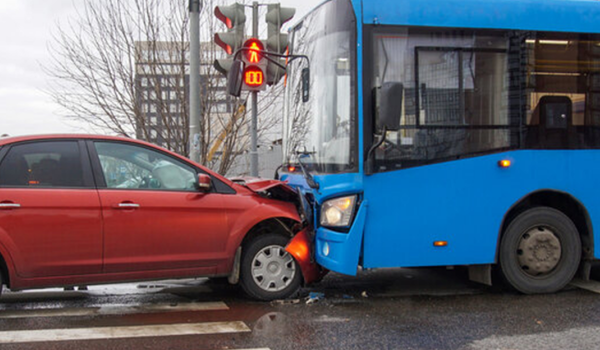
Step 1: Get Medical Help
Go to a doctor immediately. Tell them everything that happened. Your health is first, but also, legally, this matters. If you skip it, the bus company or insurance might say that you were not hurt.
If you don’t have medical records showing you were checked and treated, you give them a reason to doubt you. So get examined, get notes, and get proof. Every detail counts: scans, X-rays, prescriptions, and therapy sessions.
Step 2: Report the Accident
Call 911. Police will come, document the scene, and generate an accident report. This is your official record. You’ll need a copy for your lawyer. Even if the bus driver apologizes or says it was your fault, let the authorities document it. They are neutral, and their report carries weight later.
Step 3: Identify the Parties
Buses in Tampa come from everywhere. We have HART (Hillsborough Area Regional Transit), Greyhound, RedCoach, Megabus, Amtrak, school buses, and private charters. Make a note of:
- Bus company name
- Bus number or license plate
- Color, logo, any stickers, or unique marks
- Other vehicles involved
Take pictures, and write down everything you can remember.
Step 4: Talk to Witnesses
Anyone who saw the accident is valuable. Witnesses could be:
- Passengers
- Pedestrians
- Drivers of nearby cars
- People filming on their phones
Get their names, phone numbers, and ask if they have videos or photos. This is evidence. Evidence saves you from guessing games or denials later. Don’t feel weird asking politely. People want to help.
Step 6: Notify Your Insurance
Call your insurer. But don’t overshare. Just tell them what happened, when, and who was involved. Don’t guess, don’t apologize, don’t say you’re fine.
Insurance adjusters are trained to twist words. If you have a lawyer, let them handle the conversation. They know how to protect you.
Florida is a no-fault state, which means your insurance may cover you first, regardless of who caused the accident. But serious injuries can go beyond no-fault, which is why legal guidance is critical.
Step 7: Understand the Legal Rules
Buses are called common carriers, which just means they have to be way more careful than regular cars. If the driver screws up, or the bus company didn’t fix a few defects, or the people who made the bus made a mistake, they can get in trouble.
Your lawyer will tell you:
- What you have to prove to show they messed up
- How negligence works
- Why buses have extra rules to keep you safe
Basically, the bus company has to pay extra attention. If they don’t, and someone gets hurt, you can get money for it. You deserve it.
Step 8: Contact a Lawyer Immediately
You can’t afford to waste any time, especially if you were hit by a city or school bus. Florida has strict deadlines and paperwork rules for government-owned vehicles. Miss a step, and you could lose your right to compensation. A lawyer handles forms, deadlines, and evidence gathering.
Key Takeaways
- The first step to take after the accident is getting a medical assessment.
- Call 911 and get an accident report. It’s proof.
- Take pictures, notes, and talk to all the witnesses you can find.
- Tell your insurance, but don’t overshare.
- Government and private buses have different rules they operate under.
Multiple people or companies can be responsible, not just the driver.

 Oliver Johnson is LawScroller’s Senior Legal Correspondent specializing in civil litigation, class actions, and consumer lawsuit coverage. He breaks down complex settlements and court decisions into clear, practical guidance for readers.