
If you’ve heard about a “Portland Public Schools special education lawsuit” and wondered what it really means, you’re not alone. This topic can sound complicated, but at its heart, it’s about whether Portland Public Schools (PPS) — Oregon’s largest school district — is doing enough to meet its legal duties to students with disabilities. The issue touches on rights under federal law, including the Individuals with Disabilities Education Act (IDEA), and has drawn attention from parents, advocates, and legal authorities.
In this article, we’ll break down the background, who’s affected, a simple timeline of how things unfolded, what’s at stake, and what to watch next. We’ll also answer common questions like “who can claim,” “case update,” and “what the settlement means.”
📜 Background
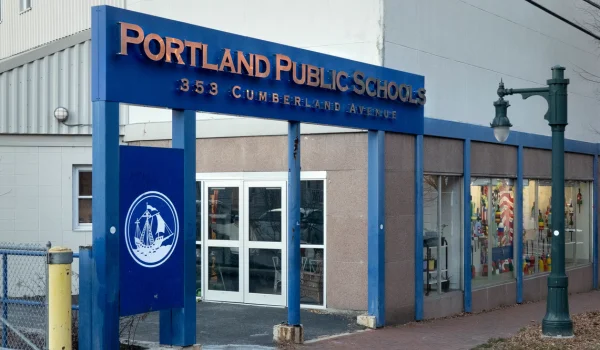
Public schools, including PPS, must follow federal law when serving students with disabilities. This comes mainly from IDEA, a law that requires schools to provide a Free Appropriate Public Education (FAPE) in the least restrictive environment. That means students with disabilities should get the support and services they need — like individualized instruction, therapy, or classroom aides — so they can learn alongside their peers whenever possible.
Sometimes parents disagree with the school’s decisions about services or schedules for their child. When that happens, parents can file complaints with the state education agency — in Oregon, the Oregon Department of Education (ODE) — or they can take legal action in court. A complaint or lawsuit can allege the school failed to follow the law, didn’t evaluate the child on time, or didn’t provide services identified in the student’s Individualized Education Program (IEP).
There isn’t just one single “Portland Public Schools special education lawsuit.” Instead, there have been multiple complaints and legal actions in recent years — some administrative, some court-based — related to how the district serves students with disabilities. Some are about specific student complaints, and others raise broader concerns about disability services system-wide.
👨👩👧 Who’s Affected?
A variety of groups are directly or indirectly affected by this lawsuit topic:
- Students with disabilities in Portland Public Schools who rely on IEP services or other supports to access education.
- Parents and Guardians, especially those who believe their children did not receive required services or timely evaluations.
- Teachers and Support Staff who work in special education spaces and are part of providing services.
- Families statewide, because cases involving federal disability law can influence how other Oregon districts operate.
- Advocates and disability rights groups who watch these cases to ensure schools follow federal law and protect students’ rights.
📅 Simple Timeline — How It All Happened
Here’s a straightforward look at key moments in the broader dispute:
➡️ 2019 — Statewide Disability Lawsuit Filed:
A class-action lawsuit was filed against the Oregon Department of Education (ODE) and others, claiming hundreds of students with disabilities were systematically pulled out of full school days and denied proper education (a practice called “shortened school day”). The Ninth Circuit Court of Appeals later revived this case, sending it back to federal court so the claims can be addressed.
➡️ 2023–2024 — Special Education Complaints Filed:
Parents of students in Portland Public Schools filed several IDEA complaints with the Oregon Department of Education, claiming PPS violated the law by failing to follow proper procedures for IEPs, notifications, and services. These complaints triggered administrative investigations and corrective actions.
➡️ 2025 — Ongoing Scrutiny:
While not all complaints became lawsuits, they reflect ongoing tension between families and the district over how special education services are delivered. Some involve broader civil rights issues or appeals of administrative decisions.
💡 Important Note: As of now, there’s no widely reported settlement in the traditional class-action sense for these PPS-specific special education lawsuits — though individual cases and administrative orders have required changes or corrective steps by the district.
⚖️ What’s at Stake?
Understanding what’s at stake helps clarify why this matters:
📌 For Students
- Access to Education: Students with disabilities have a right to appropriate services that help them learn.
- Fair Treatment: Schools must follow IDEA rules for evaluations, IEP meetings, and service delivery.
📌 For Parents
- Legal Rights: Parents have the right to challenge decisions they believe are unfair or unlawful.
- Compensation or Remedies: In some cases, parents may seek reimbursement for private services or corrective services for their children.
📌 For Portland Public Schools
- Compliance with Federal Law: The district must follow IDEA and related laws or risk legal remedies or monitoring.
- Reputation and Trust: Lawsuits and complaints can influence community trust and district policies.
👀 What to Watch Next — Case Updates
Here’s what to keep an eye on:
❗️ Administrative Reviews
The Oregon Department of Education continues to review and resolve IDEA complaints against PPS. These reviews often result in orders requiring the district to make changes or provide training.
❗️ Court Cases
Some parents may decide to file civil lawsuits in federal court if they believe administrative processes didn’t resolve their problems.
❗️ Policy Changes
Outcomes from complaints can lead to district policy changes around evaluations, IEP timelines, and communication with families.
❓ FAQs — Simple Answers to Common Questions
- What is the “Portland Public Schools special education lawsuit”?
There isn’t just one lawsuit — there are multiple special education complaints and legal actions involving parents and PPS that deal with whether students received legally required services. - Who can file a claim?
Parents or guardians of students with disabilities can file administrative complaints or lawsuits if they believe the district has violated IDEA requirements. - What is an IEP?
An Individualized Education Program (IEP) is a written plan developed by a team (including parents) that outlines supports a disabled student needs to access education. - What does it mean if PPS agrees to corrective action?
It means the district accepts changes required by the state (or a court) to improve how it meets legal obligations for special education. - Are settlements common?
In special education cases, some disputes settle privately (especially when involving reimbursements or compensatory services), but many are resolved through administrative orders or court orders requiring compliance, not cash payouts. - Is this case over?
No — some administrative processes are ongoing, and broader disability rights litigation in Oregon continues to evolve
📍Final Thoughts
This topic can feel complex because it involves a mix of federal and state law, administrative complaints, and sometimes federal court cases. At its core, however, it’s about ensuring that students with disabilities receive the education and support they are legally entitled to.
If you’re a parent navigating a similar situation, consider speaking with a special education advocate or attorney — especially if you’re trying to understand who can claim or what remedies may be available.

 Oliver Johnson is LawScroller’s Senior Legal Correspondent specializing in civil litigation, class actions, and consumer lawsuit coverage. He breaks down complex settlements and court decisions into clear, practical guidance for readers.