
If you’ve searched for “hello toothpaste lawsuit,” you’re probably wondering whether a toothpaste brand you’ve seen at major stores or online is involved in legal trouble—and what that might mean for you as a consumer. Product lawsuits can sound alarming, but they’re often more about labeling, marketing claims, or ingredient disclosures than immediate safety dangers.
This article explains the Hello toothpaste lawsuit in simple, everyday language—what sparked it, who’s involved, what’s at stake, and how to follow future case updates.
Why a Toothpaste Lawsuit Matters
Toothpaste is one of those things most of us use twice a day without thinking much about it. When a lawsuit pops up involving a popular brand like Hello, it naturally raises questions: Was something unsafe? Was the label misleading? Do customers get refunds?
The Hello toothpaste lawsuit centers on claims about how certain products were marketed or labeled. It does not automatically mean the toothpaste was dangerous or recalled—but it does raise important questions about transparency and consumer trust.
Background
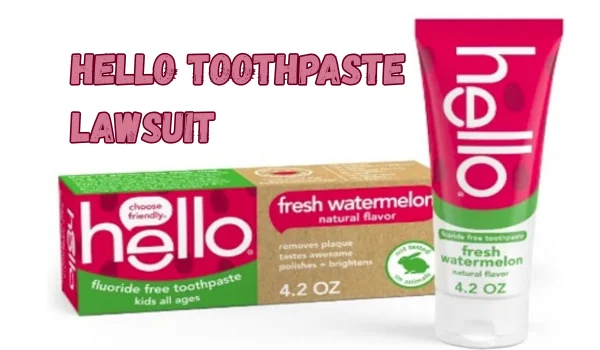
Hello is a well-known oral care brand that markets itself as clean, natural, and friendly to families. Some of its products are promoted as fluoride-free, naturally flavored, or suitable for kids.
The lawsuit was filed by consumers who allege that certain marketing or labeling claims were misleading. In plain terms, the plaintiffs argue:
- The packaging or advertising may have created the wrong impression
- Some ingredients or product qualities weren’t explained clearly enough
- Customers paid a premium based on claims they believe weren’t accurate
This type of case is usually filed as a consumer protection or false advertising lawsuit, not a criminal case.
Importantly, these claims are allegations, not final rulings. The company has the right to defend itself and often denies wrongdoing.
Who’s Affected by the Hello Toothpaste Lawsuit
- Consumers
Shoppers who bought certain Hello toothpaste products during the time period covered by the lawsuit may be affected. This is especially relevant for people who say they relied on specific claims when choosing the product.
- Hello Products and Its Parent Company
The company faces potential financial costs, legal fees, and changes to marketing or packaging if the lawsuit succeeds or settles.
- Retailers
While not usually defendants, stores may adjust product descriptions or shelf labeling if changes are required.
- Other Oral Care Brands
Cases like this can influence how other companies describe “natural,” “clean,” or “fluoride-free” products.
A Simple Timeline of the Case
While exact dates vary depending on court filings, the general timeline looks like this:
- Products sold nationwide: Hello toothpaste products are sold in major retailers and online.
- Consumer concerns arise: Some buyers question whether marketing claims fully match the product’s contents or effects.
- Lawsuit filed: One or more consumers bring a civil lawsuit alleging misleading labeling or advertising.
- Early legal stages: The company responds, and the court considers motions to dismiss or narrow the claims.
- Current status (case update): The case is either ongoing or moving toward possible settlement discussions.
Many consumer product cases take months—or even years—to fully resolve.
What’s at Stake
💵 Financial Impact
If the plaintiffs succeed or if there is a Hello toothpaste lawsuit settlement, it could involve:
- Refunds or partial reimbursements for consumers
- Changes to labeling or advertising
- Payment of legal fees
Settlements in these cases often range from small per-person payments to discount vouchers.
🏷️ Marketing and Labeling Rules
One of the biggest stakes is how companies describe their products. A ruling or settlement could require clearer ingredient explanations or more precise wording.
🛍️ Consumer Trust
Even when safety isn’t the issue, lawsuits can affect how much customers trust brand messaging.
What to Watch Next
If you want to stay informed, here’s what to keep an eye on:
- Court Decisions
Judges may dismiss some claims or allow others to proceed, shaping what the lawsuit is really about.
- Settlement Announcements
Most consumer lawsuits end in settlement rather than trial. A Hello toothpaste lawsuit settlement would typically be announced publicly.
- Claims Process
If a settlement is approved, there may be instructions on who can claim refunds or benefits and how to file.
- Packaging Changes
Updated product labels or marketing language can signal that the case influenced company practices.
FAQ: Hello Toothpaste Lawsuit
- What is the Hello toothpaste lawsuit about?
It involves claims that certain marketing or labeling statements about Hello toothpaste products were misleading to consumers.
- Is Hello toothpaste unsafe?
The lawsuit does not automatically mean the toothpaste is unsafe. These cases usually focus on advertising claims, not product safety.
- Is there a Hello toothpaste lawsuit settlement?
As of the latest case update, there may be ongoing litigation or discussions, but not all settlements are finalized or publicly announced right away.
- Who can claim money if there’s a settlement?
Typically, consumers who purchased the affected products during a specific time period may be eligible. Details are provided only if a settlement is approved.
- Do I need proof of purchase?
Some settlements require receipts; others allow claims without proof. This depends on the final settlement terms.
- How much money do consumers usually get?
In consumer product cases, individual payouts are often modest—sometimes a few dollars per product—though it varies widely.
Final Thoughts
The Hello toothpaste lawsuit is a reminder that words on packaging matter. Even when products are widely used and trusted, companies can still face legal challenges over how those products are described.
For consumers, the key takeaway is to stay informed, watch for official case updates, and review settlement notices carefully if one becomes available.

 Oliver Johnson is LawScroller’s Senior Legal Correspondent specializing in civil litigation, class actions, and consumer lawsuit coverage. He breaks down complex settlements and court decisions into clear, practical guidance for readers.