
Mrs. Meyer’s Clean Day has become one of the most recognizable household cleaning brands in the United States. Known for its garden-inspired fragrances, eco-friendly marketing, and stylish packaging, the brand has built a loyal customer base among consumers looking for “safer” cleaning products. However, over the years, the company and its parent organization have faced legal scrutiny and consumer complaints that sparked discussions online about a possible “Mrs. Meyer’s lawsuit.”
Many consumers searching for this topic want to understand whether the company was sued for false advertising, harmful ingredients, misleading “natural” claims, or product safety concerns. This article breaks down the controversies, the legal concerns associated with the brand, and what these lawsuits could mean for consumers.
Understanding Mrs. Meyer’s and Its Brand Image
SC Johnson Official Website owns Mrs. Meyer’s Clean Day. The brand markets products such as:
- Multi-surface cleaners
- Dish soaps
- Hand soaps
- Laundry detergents
- Air fresheners
- Candles
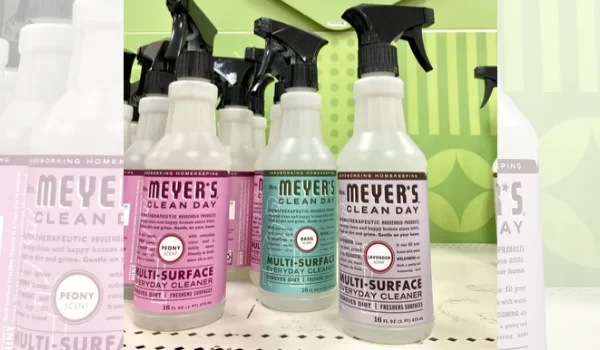
The company positions itself as a plant-inspired and cruelty-free alternative to traditional chemical-heavy cleaning brands. Packaging often highlights essential oils, biodegradable ingredients, and garden-inspired scents such as lavender, basil, lemon verbena, and peony.
Because of this “green” and “natural” image, consumers often expect products that are safer, gentler, and less toxic than conventional cleaners. Legal controversies usually emerge when consumers or advocacy groups believe those claims are misleading.
Why Are People Searching for “Mrs. Meyer’s Lawsuit”?
There is no single massive lawsuit that completely shut down the brand or led to a nationwide ban. However, the phrase “Mrs. Meyer’s lawsuit” has become popular online because of several legal and consumer-related concerns, including:
- False advertising allegations
- Ingredient transparency disputes
- Claims involving synthetic chemicals
- Concerns about allergens and fragrances
- Questions regarding “natural” marketing
- Consumer class action discussions
Some of these claims involve the broader cleaning products industry rather than only Mrs. Meyer’s. However, because the brand heavily promotes a clean and plant-based image, it often becomes part of debates regarding transparency in household products.
The “Natural” Marketing Controversy
One of the biggest areas of legal concern in the cleaning industry involves the use of terms like:
- Natural
- Eco-friendly
- Green
- Plant-derived
- Non-toxic
Consumers often interpret these labels to mean products contain only naturally occurring ingredients. However, in many cases, products may still include synthetic preservatives, fragrances, surfactants, or stabilizers.
Several lawsuits across the consumer goods industry have argued that companies mislead buyers through branding and packaging. Mrs. Meyer’s has also faced criticism from consumers and advocacy groups who questioned whether some products truly align with the expectations created by their marketing.
Why This Matters Legally
Under U.S. consumer protection laws, companies can face legal action if advertising is considered deceptive or misleading. Plaintiffs in these cases often argue:
- They paid premium prices because products were marketed as safer or natural
- They would not have purchased the products if they knew all ingredients
- Marketing created false impressions about health and environmental safety
Even when lawsuits do not lead to massive penalties, they can damage brand trust and trigger changes in packaging or ingredient disclosures.
Ingredient Disclosure and Fragrance Concerns
One recurring issue in cleaning product lawsuits is fragrance disclosure.
Many cleaning products contain proprietary fragrance blends. Companies are not always required to publicly disclose every fragrance chemical because formulas may qualify as trade secrets. However, some consumers and health advocates argue this lack of transparency creates problems for people with:
- Asthma
- Allergies
- Chemical sensitivities
- Skin conditions
Mrs. Meyer’s products are famous for strong fragrances, which some consumers love and others avoid entirely.
Chemicals Consumers Often Discuss Online
Online discussions and legal concerns around cleaning products frequently mention substances such as:
- Limonene
- Linalool
- Benzisothiazolinone
- Methylisothiazolinone
- Synthetic fragrance compounds
These ingredients may be naturally derived or synthetic, depending on formulation. Critics argue that even naturally sourced fragrance compounds can trigger allergic reactions or respiratory irritation in sensitive individuals.
This does not automatically mean products are unsafe for the general population. However, lawsuits and complaints often emerge when consumers believe products marketed as “gentle” or “natural” caused irritation or adverse reactions.
Consumer Complaints Associated With Mrs. Meyer’s Products
Although not every complaint becomes a formal lawsuit, consumer reports have fueled online discussions about legal risks involving the brand.
Some users have reported:
Skin Irritation
A portion of consumers claimed certain soaps or cleaners caused:
- Dry skin
- Rashes
- Itching
- Burning sensations
These reactions are commonly linked to fragrances or preservatives rather than necessarily indicating toxic contamination.
Respiratory Sensitivity
Some individuals reported headaches or breathing discomfort after using heavily scented products such as:
- Air fresheners
- Candles
- Surface sprays
Highly fragranced household products can sometimes aggravate existing respiratory conditions.
Misleading Product Expectations
Some buyers believed the products were fully natural or chemical-free because of the branding and packaging style. Disappointment over ingredient lists often becomes the basis for online criticism and potential legal claims.
Could There Be a Class Action Lawsuit?
Class action lawsuits are common in the United States when many consumers claim they experienced similar financial harm or misleading marketing.
A class action against a cleaning brand could potentially involve allegations such as:
- False advertising
- Failure to disclose ingredients properly
- Misrepresentation of environmental benefits
- Marketing products as non-toxic without sufficient evidence
To succeed, plaintiffs generally need to prove:
- Marketing statements were misleading
- Consumers relied on those statements
- Financial harm occurred
- A reasonable consumer could be deceived
Even if a lawsuit is filed, companies frequently settle without admitting wrongdoing.
The Challenge of “Greenwashing” Lawsuits
The term “greenwashing” refers to companies presenting products as environmentally friendly without sufficient evidence to support those claims.
Cleaning brands face growing legal pressure because consumers increasingly prioritize sustainability and health-conscious shopping.
Common Greenwashing Allegations Include:
| Allegation | Example |
| Misleading natural claims | Products contain synthetic ingredients |
| Exaggerated eco benefits | Packaging suggests stronger environmental benefits than proven |
| Non-transparent ingredient labeling | Consumers cannot identify all chemicals |
| Misleading imagery | Plants and gardens imply purely botanical formulas |
Mrs. Meyer’s branding style—with flowers, herbs, and garden themes—makes it especially vulnerable to scrutiny from consumers expecting fully plant-based formulas.
What the FDA and EPA Actually Regulate
Many consumers assume cleaning products undergo strict federal approval before reaching store shelves. In reality, regulation is more limited than people expect.
FDA Oversight
The U.S. Food and Drug Administration mainly oversees cosmetics, drugs, and food products. Some hand soaps may fall under FDA oversight if antibacterial claims are involved.
EPA Oversight
The United States Environmental Protection Agency regulates disinfectants and certain chemical safety issues.
However, ordinary household cleaners may not require the same level of pre-market approval consumers assume exists.
This regulatory gap is one reason lawsuits play such a major role in holding companies accountable for marketing claims.
How Companies Typically Respond to These Lawsuits
When brands face lawsuits or public controversy, they often respond in several ways:
Updating Labels
Companies may revise packaging to avoid certain controversial words such as:
- “100% natural”
- “chemical-free”
- “non-toxic”
Improving Ingredient Transparency
Some brands begin publishing more detailed ingredient lists online to reduce criticism.
Reformulating Products
If certain preservatives or fragrance compounds receive negative attention, companies sometimes reformulate products to avoid future disputes.
Denying Wrongdoing
Most companies involved in consumer lawsuits deny intentionally misleading customers, even if they later agree to settlements or label changes.
Are Mrs. Meyer’s Products Safe?
This question depends on individual sensitivities and expectations.
For most consumers, the products are generally considered safe when used according to instructions. However, “safe” does not always mean:
- Hypoallergenic
- Fragrance-free
- Fully natural
- Risk-free for sensitive individuals
Consumers with asthma, allergies, eczema, or fragrance sensitivities may react differently than the average user.
Important Consumer Tip
Always review ingredient information carefully rather than relying only on front-label marketing language.
How to Protect Yourself as a Consumer
If you are concerned about products linked to lawsuits or controversial marketing claims, consider the following strategies:
Read Full Ingredient Lists
Do not rely entirely on terms like:
- Green
- Clean
- Botanical
- Plant-based
These words are often marketing terms rather than legally strict definitions.
Patch-Test Products
If you have sensitive skin, test new soaps or cleaners on a small area first.
Research Third-Party Certifications
Look for independent certifications from recognized environmental or safety organizations.
Be Careful With Fragrance Sensitivities
Even essential oils and plant-derived scents can trigger allergic reactions.
Why Lawsuits Against Household Brands Are Increasing
Consumer awareness has changed dramatically over the last decade.
Modern buyers increasingly expect:
- Transparent ingredients
- Honest marketing
- Safer chemicals
- Sustainable packaging
- Scientific backing for environmental claims
Social media and online reviews amplify complaints quickly, often leading to legal investigations or class action filings.
The household cleaning industry has become a major target for lawsuits because consumers are exposed to these products daily inside their homes.
The Role of Social Media in Lawsuit Discussions
TikTok, Reddit, YouTube, and consumer forums have dramatically increased attention on alleged product issues.
Consumers frequently share:
- Ingredient breakdown videos
- Allergy experiences
- Product reaction photos
- Legal speculation
- Class action updates
Sometimes these discussions spread faster than verified legal information. As a result, people may search for “Mrs. Meyer’s lawsuit” even when no large court ruling exists.
This shows how public perception can affect a brand almost as strongly as formal litigation.
Could Future Lawsuits Happen?
Yes. The cleaning and personal care industries remain highly active areas for consumer lawsuits.
Future claims against household brands may involve:
- PFAS chemicals
- Fragrance disclosure
- Environmental claims
- Plastic sustainability
- Ingredient toxicity
- Allergic reaction warnings
As regulations evolve and consumers demand greater transparency, companies marketing themselves as “clean” or “natural” may continue facing heightened legal scrutiny.
Final Thoughts on the Mrs. Meyer’s Lawsuit Topic
The phrase “Mrs. Meyer’s lawsuit” reflects broader concerns surrounding transparency, fragrance chemicals, and natural-product marketing in the household cleaning industry. While there may not be one universally known blockbuster lawsuit tied exclusively to the brand, consumer criticism and legal discussions highlight the growing tension between marketing language and ingredient expectations.
For consumers, the key lesson is to evaluate products carefully rather than assuming that eco-friendly branding automatically means completely natural or irritation-free formulations. The rise of lawsuits involving household products also signals a larger shift in the marketplace—one where buyers increasingly demand honesty, clearer labeling, and scientifically supported claims from the brands they trust.

 Oliver Johnson is LawScroller’s Senior Legal Correspondent specializing in civil litigation, class actions, and consumer lawsuit coverage. He breaks down complex settlements and court decisions into clear, practical guidance for readers.