
With rising housing costs across the United States, some people look for unconventional living arrangements to save money or survive financial hardship. One idea that occasionally appears online or in viral videos is living inside a storage unit. That leads many people to ask: is it illegal to live in a storage unit?
The short answer is: in most cases, yes.
Across the United States, storage units are generally not legally approved for residential living. Zoning laws, fire safety regulations, building codes, health rules, and storage facility contracts usually prohibit people from living inside these spaces.
Even though some individuals secretly attempt it, living in a storage unit can lead to eviction, fines, trespassing issues, contract violations, and potentially dangerous safety conditions.
Here is a detailed look at why living in storage units is usually illegal, the laws involved, possible consequences, and why these spaces are not considered legal housing.
Why Storage Units Are Not Meant for Living
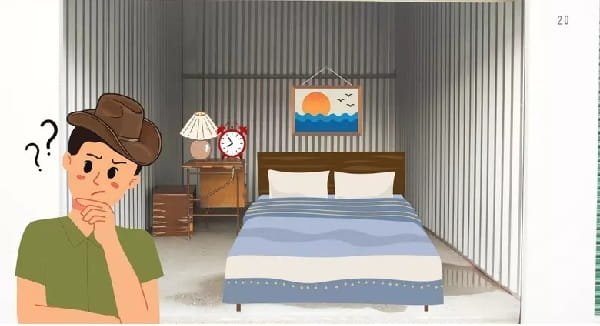
Storage units are designed for storing property — not housing people.
Most storage facilities are built without the requirements legally necessary for residential occupancy.
Typically, storage units lack:
- Proper ventilation
- Emergency exits
- Plumbing
- Bathrooms
- Kitchens
- Fire suppression systems for residential use
- Heating and cooling suitable for living
- Safe electrical systems
Because of these limitations, governments usually classify storage units as commercial or storage spaces rather than habitable dwellings.
Is There a Federal Law Against Living in Storage Units?
There is no single nationwide federal law specifically saying:
“You may not live in a storage unit.”
However, multiple layers of laws and regulations effectively make it illegal in most places.
These often include:
- Local zoning ordinances
- Housing codes
- Fire safety regulations
- Health department rules
- Occupancy laws
- Building code violations
State and local governments generally regulate what qualifies as lawful housing.
Zoning Laws and Residential Restrictions
One major reason storage-unit living is prohibited involves zoning laws.
Cities and counties divide land into zones such as:
- Residential
- Commercial
- Industrial
- Mixed-use
Storage facilities are typically zoned for:
- Commercial
or - Industrial use
Living inside a storage facility usually violates zoning rules because the property was never approved for residential occupancy.
Property owners allowing people to live there may also face penalties.
Fire Safety Concerns
Fire safety is one of the biggest reasons governments prohibit residential use of storage units.
Storage units may lack:
- Smoke detectors
- Sprinkler systems designed for sleeping occupants
- Emergency escape windows
- Safe cooking areas
If a fire breaks out, people inside may become trapped quickly.
Many storage facilities also contain:
- Flammable materials
- Chemicals
- Vehicles
- Fuel containers
These conditions can create major hazards.
Health and Sanitation Issues
Most storage units are not equipped for basic human living needs.
Common problems include:
- No running water
- No bathrooms
- Poor air circulation
- Mold
- Extreme temperatures
- Pest infestations
Without proper sanitation systems, long-term habitation may violate local health regulations.
Storage Facility Contracts Usually Ban Living There
Almost every self-storage rental agreement explicitly prohibits residential use.
When renting a storage unit, tenants usually sign contracts stating:
- The unit is for storage only
- Sleeping or living inside is prohibited
- Hazardous activities are forbidden
Violating the agreement may lead to:
- Immediate eviction
- Termination of rental access
- Loss of stored property rights
- Trespassing allegations
Facilities often conduct inspections or monitor security footage for this reason.
Can Someone Be Arrested for Living in a Storage Unit?
Potentially, yes.
Possible legal issues may include:
- Trespassing
- Breaking occupancy laws
- Violating fire codes
- Unauthorized use of commercial property
Whether someone is arrested often depends on:
- Local law enforcement practices
- Property owner complaints
- Safety concerns
- Prior warnings
In many cases, authorities first order the person to leave.
Could the Storage Facility Get in Trouble Too?
Yes.
If facility owners knowingly allow residential occupancy, they may face:
- Zoning violations
- Fire code penalties
- Licensing problems
- Civil liability
Insurance companies may also deny coverage if unauthorized residents are discovered on the property.
Because of these risks, most facilities strictly enforce anti-living policies.
Why Some People Still Try to Live in Storage Units
Despite the legal issues, some people attempt it due to:
- High rent prices
- Homelessness
- Financial hardship
- Temporary emergencies
- Desire for cheap living arrangements
Online videos and social media posts sometimes glamorize storage-unit living by showing:
- Beds
- Furniture
- Gaming setups
- Small appliances
However, these setups often violate laws and safety regulations.
Is Sleeping in a Storage Unit Illegal Too?
In many places, yes.
Even temporary overnight stays may violate:
- Facility rules
- Occupancy codes
- Trespassing laws
Some facilities monitor units after hours specifically to prevent overnight use.
Repeated sleeping inside may strengthen claims that someone is illegally residing there.
Climate-Controlled Units Do Not Make It Legal
Some people assume climate-controlled units are acceptable for living because they offer:
- Air conditioning
- Better insulation
- Indoor hallways
But climate control does not change the legal classification of the space.
The unit is still typically:
- Non-residential
- Non-compliant with housing codes
- Unauthorized for occupancy
Could Child Protective Services Become Involved?
Potentially, yes.
If children are discovered living in unsafe or unauthorized conditions, authorities may investigate welfare concerns.
Issues may include:
- Lack of sanitation
- Fire hazards
- Unsafe sleeping conditions
- Inadequate facilities
Family courts and social services may become involved in serious situations.
Insurance Problems
Living in a storage unit may create major insurance complications.
Most storage facility insurance policies do not cover:
- Residential occupancy
- Injuries from unauthorized living
- Personal habitation losses
If a fire, theft, or injury occurs, insurance claims may be denied.
Can Someone Secretly Live in a Storage Unit Successfully?
Some individuals attempt to avoid detection by:
- Entering after hours
- Using battery-powered appliances
- Hiding bedding
- Avoiding attention
However, storage facilities increasingly use:
- Security cameras
- Motion detectors
- Access logs
- On-site staff
Unauthorized occupants are often eventually discovered.
Are Tiny Homes or Converted Spaces Different?
Yes.
Tiny homes, RVs, converted garages, and warehouse lofts may sometimes be legal if they:
- Meet building codes
- Receive permits
- Comply with zoning laws
Storage units generally fail these requirements because they were never designed or approved for habitation.
Could Living in a Storage Unit Affect Criminal Records?
It can.
Possible charges may include:
- Trespassing
- Breaking municipal codes
- Unauthorized occupancy
- Fire code violations
While many cases are handled through warnings or citations, repeated violations can escalate.
What About Using a Storage Unit as a Workspace?
This is another gray area.
Some people use storage units for:
- Art studios
- Workshops
- Online businesses
- Music practice
Facility rules may prohibit these uses too, depending on:
- Lease agreements
- Zoning laws
- Fire safety concerns
Living there creates even more legal risk than simply working there.
Why Local Governments Enforce These Rules
The restrictions are not only about property rights. Governments usually cite:
- Fire safety
- Public health
- Emergency access
- Sanitation
- Building standards
Housing regulations exist partly to prevent dangerous living conditions.
Without such rules, unsafe spaces could become makeshift housing without basic protections.
Homelessness and Economic Reality
The issue also highlights broader housing affordability problems in the United States.
Some people living in storage units are not trying to break laws intentionally — they may simply lack affordable housing options.
Advocates sometimes argue that:
- Rising rents
- Housing shortages
- Economic instability
push people toward unsafe alternatives.
However, sympathy for financial hardship does not usually override occupancy and safety laws.
Social Media Trends and Misleading Advice
Online videos occasionally portray storage-unit living as:
- Clever
- Minimalist
- Cheap
- “Hackable”
But many influencers fail to discuss:
- Legal risks
- Fire hazards
- Contract violations
- Health concerns
What appears manageable on social media may actually violate multiple laws and safety codes.
Common Misconceptions About Living in Storage Units
“It’s legal if you pay rent on the unit.”
False. Storage rent does not create residential rights.
“No one cares if you stay quietly.”
Facilities often monitor for unauthorized occupancy.
“Climate-controlled units are basically apartments.”
They still usually fail legal housing requirements.
“It’s only against company policy, not the law.”
Local building and occupancy laws may also apply.
Safer Alternatives to Storage-Unit Living
People facing housing emergencies may consider alternatives such as:
- Emergency shelters
- Transitional housing programs
- Extended-stay motels
- Legal RV parks
- Community assistance programs
Many cities and nonprofit organizations offer temporary housing resources.
Final Thoughts on Whether It Is Illegal to Live in a Storage Unit
So, is it illegal to live in a storage unit in the United States?
In most situations, yes.
Storage units are generally not approved for residential occupancy under zoning laws, building codes, fire regulations, and health standards. Most storage facility contracts also strictly prohibit living or sleeping inside the units.
While some people attempt it because of financial hardship or housing shortages, storage units are not designed to safely support human habitation. Legal consequences can include eviction, fines, trespassing allegations, and safety risks.
What may seem like a cheap or creative housing solution online is usually considered both unsafe and unlawful in real-world legal practice.
