
Fire safety has become a major concern across the United States as cities grow, buildings become more complex, and climate-related fire risks continue increasing. In response, lawmakers, fire departments, and regulatory agencies have introduced new fire prevention laws and updated safety regulations aimed at protecting lives, homes, businesses, and public infrastructure.
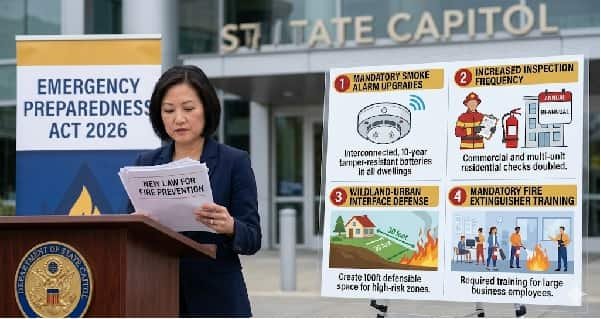
From stricter building codes and smoke alarm requirements to wildfire prevention measures and commercial fire safety standards, modern fire prevention laws are changing how property owners, landlords, businesses, and local governments approach fire safety.
These laws are not just about avoiding fines or legal trouble. They are designed to reduce injuries, save lives, protect property, and improve emergency response systems.
This beginner-friendly guide explains what modern fire prevention laws involve, why new regulations are being introduced, who they affect, and how individuals and businesses can stay compliant.
What Is Fire Prevention Law?
Fire prevention law refers to legal rules and regulations designed to reduce the risk of fires and improve public safety.
These laws regulate:
- Building safety standards
- Fire alarm systems
- Emergency exits
- Electrical systems
- Smoke detectors
- Fire extinguishers
- Hazardous materials
- Wildfire prevention efforts
Fire prevention laws exist at multiple levels, including:
- Federal regulations
- State laws
- City ordinances
- Local fire codes
Why New Fire Prevention Laws Are Being Introduced
Several factors have increased the need for stronger fire safety laws in recent years.
- Rising Wildfire Risks
Climate change, drought conditions, and extreme heat have contributed to devastating wildfires across states such as:
- California
- Oregon
- Colorado
- Hawaii
Governments have responded with stricter fire prevention measures.
- High-Rise Building Safety Concerns
Modern urban buildings are becoming taller and more densely populated, increasing fire safety challenges.
- Aging Infrastructure
Older buildings may contain outdated:
- Electrical wiring
- Fire alarm systems
- Sprinkler systems
New laws often require upgrades.
- Commercial Fire Hazards
Warehouses, factories, and large commercial properties now face more complex fire risks because of:
- Industrial equipment
- Lithium-ion batteries
- Chemical storage
- Data centers
- Public Safety Awareness
Major fire tragedies have pushed lawmakers to strengthen building safety and emergency preparedness rules.
What Are the Main Goals of Modern Fire Prevention Laws?
Modern fire prevention laws generally aim to:
- Reduce fire risks
- Improve evacuation safety
- Strengthen emergency response
- Protect vulnerable populations
- Prevent property damage
- Increase public awareness
The focus is increasingly on prevention rather than simply responding after fires occur.
Common Areas Covered by New Fire Prevention Laws
Fire prevention laws vary by jurisdiction, but many modern regulations focus on similar safety areas.
- Smoke Detector Requirements
Many states now require:
- Smoke alarms in every bedroom
- Smoke detectors on every floor
- Interconnected alarm systems
- Battery backup systems
Landlords and property owners often have legal responsibilities for installation and maintenance.
- Carbon Monoxide Detector Laws
Newer regulations frequently require carbon monoxide detectors in:
- Homes
- Apartments
- Hotels
- Schools
These rules help prevent deadly poisoning incidents.
- Fire Sprinkler System Requirements
Many modern building codes now require sprinkler systems in:
- High-rise buildings
- Apartment complexes
- Commercial facilities
- Schools
- Healthcare facilities
Sprinklers can significantly reduce fire spread and fatalities.
- Emergency Exit and Evacuation Rules
Buildings may now face stricter rules involving:
- Exit signage
- Emergency lighting
- Stairwell access
- Evacuation maps
- Occupancy limits
These laws are especially important for public buildings and businesses.
- Electrical Safety Regulations
Faulty electrical systems are a leading cause of fires.
Updated fire codes may require:
- Electrical inspections
- Circuit upgrades
- Safer wiring systems
- Surge protection compliance
- Wildfire Prevention Laws
States with wildfire risks have adopted stricter regulations involving:
- Vegetation clearing
- Fire-resistant building materials
- Defensible space requirements
- Controlled burns
- Utility company responsibilities
These laws are becoming increasingly important in wildfire-prone regions.
Fire Prevention Laws for Landlords
Landlords face major legal responsibilities under modern fire safety laws.
They may be required to:
- Install smoke detectors
- Maintain fire exits
- Provide working electrical systems
- Ensure proper heating safety
- Maintain fire extinguishers
- Comply with local fire inspections
Failure to comply can lead to:
- Fines
- Lawsuits
- Insurance issues
- Criminal liability in extreme cases
Fire Safety Rules for Businesses
Commercial properties often face even stricter fire prevention regulations.
Businesses may need:
- Fire suppression systems
- Emergency evacuation plans
- Fire drills
- Staff safety training
- Hazardous material storage compliance
Industries like manufacturing and hospitality often face heightened requirements.
Fire Codes and Building Codes
Fire prevention laws often work together with building codes.
Two major model code systems in the United States include:
- International Fire Code (IFC)
- International Building Code (IBC)
Local governments frequently adopt or modify these standards.
Role of Fire Marshals and Inspectors
Fire prevention laws are enforced by:
- Fire marshals
- Local fire departments
- Building inspectors
- Safety agencies
These officials may conduct inspections involving:
- Alarm systems
- Exits
- Occupancy compliance
- Hazardous materials
- Fire suppression systems
Violations can result in citations or shutdown orders.
New Technology in Fire Prevention
Modern laws increasingly address emerging technologies.
Smart Smoke Detectors
Many newer systems provide:
- Mobile alerts
- Remote monitoring
- Automatic emergency notifications
AI and Fire Detection Systems
Advanced buildings may use artificial intelligence to detect fire risks earlier.
Lithium-Ion Battery Regulations
As electric vehicles and battery storage systems expand, governments are introducing new safety rules for:
- Battery charging stations
- Storage facilities
- Transportation safety
Wildfire Prevention and Climate Change
One of the fastest-growing areas of fire prevention law involves wildfire management.
States are increasingly adopting laws requiring:
- Fire-resistant roofing
- Vegetation management
- Utility infrastructure upgrades
- Emergency evacuation planning
Utility companies have also faced lawsuits related to wildfire ignition risks.
Fire Prevention Laws in Schools and Public Buildings
Schools, hospitals, and public facilities often face strict fire safety regulations because of large occupancy levels.
Requirements may include:
- Fire drills
- Emergency evacuation plans
- Sprinkler systems
- Accessible exits
- Alarm systems
Protecting children, patients, and vulnerable individuals is a major priority.
Penalties for Violating Fire Prevention Laws
Violating fire safety laws can lead to serious consequences.
Possible penalties include:
- Fines
- Business closure orders
- License suspension
- Insurance claim denials
- Civil lawsuits
- Criminal charges in severe cases
If negligence causes injuries or deaths, liability may increase dramatically.
Fire Prevention and Insurance
Insurance companies often require compliance with fire safety laws.
Failure to meet fire code requirements may result in:
- Higher premiums
- Reduced coverage
- Claim denials
Some insurers offer discounts for advanced fire safety systems.
Common Causes of Fires Addressed by Modern Laws
Many updated regulations focus on reducing risks from:
- Electrical failures
- Cooking accidents
- Heating equipment
- Cigarettes
- Industrial hazards
- Wildfires
- Battery systems
Preventive measures target these high-risk areas.
Residential Fire Prevention Tips
Even beyond legal requirements, homeowners can improve fire safety by:
- Testing smoke alarms regularly
- Keeping fire extinguishers accessible
- Avoiding overloaded outlets
- Creating evacuation plans
- Clearing flammable materials
- Practicing kitchen safety
Personal responsibility remains an important part of fire prevention.
How Fire Prevention Laws Affect Homeowners
Homeowners may face obligations involving:
- Smoke alarm installation
- Burn permits
- Outdoor fire restrictions
- Fire-resistant landscaping
- Home renovation code compliance
Local laws vary significantly depending on region and fire risk.
Fire Prevention in Apartment Buildings
Apartment fires can spread rapidly because of shared structures.
Modern apartment regulations often require:
- Multiple exits
- Sprinkler systems
- Smoke alarm maintenance
- Fire-resistant materials
- Emergency lighting
Landlords and property managers must often comply with regular inspections.
Federal Agencies Involved in Fire Safety
Several federal organizations influence fire prevention standards.
One important agency is:
Federal Emergency Management Agency
Another major organization is:
National Fire Protection Association
The NFPA develops widely used fire safety standards and codes.
Challenges in Modern Fire Prevention
Despite stronger laws, several challenges remain.
Aging Buildings
Retrofitting older buildings can be expensive.
Climate-Driven Fire Risks
Wildfires continue growing in intensity.
Enforcement Limitations
Some local governments lack resources for inspections.
Rapid Urban Development
Dense cities create additional evacuation and safety concerns.
The Future of Fire Prevention Laws
Fire prevention laws will likely continue evolving because of:
- Smart building technology
- Renewable energy systems
- Electric vehicle growth
- Climate-related fire risks
- Urban expansion
Future regulations may increasingly focus on predictive fire prevention systems and sustainability.
Why Fire Prevention Laws Matter
Fire prevention laws protect:
- Human life
- Homes
- Businesses
- Public infrastructure
- Emergency responders
Strong fire safety standards reduce both economic damage and tragic loss of life.
Even simple preventive measures can make a major difference during emergencies.
Final Thoughts
New fire prevention laws in the United States are designed to improve public safety, reduce fire risks, and strengthen emergency preparedness in homes, businesses, and public buildings. From smoke detector requirements and sprinkler systems to wildfire prevention measures and electrical safety standards, modern fire laws continue evolving to address changing risks and technologies.
As fire hazards become more complex because of urban growth, climate change, and emerging technologies, compliance with fire prevention regulations has become more important than ever. Whether you are a homeowner, landlord, business owner, or property manager, understanding modern fire safety laws can help protect lives, reduce legal risks, and improve long-term safety for everyone.
