American Screening (also known as American Screening, LLC) is a Louisiana-based seller of medical and testing supplies that has faced multiple high-profile legal actions in recent years — most prominently a Federal Trade Commission enforcement action over COVID-era PPE sales, and an Equal Employment Opportunity Commission race-discrimination suit over an employee’s natural hair. Those cases, plus bankruptcy and related litigation, illustrate two threads: (1) consumer-protection scrutiny of pandemic-era online sellers, and (2) heightened enforcement of workplace anti-discrimination rules. Here’s a clear, plain-English guide to what happened, who won/lost, and what consumers and businesses should take away.
The big consumer case — FTC sued over undelivered PPE and won
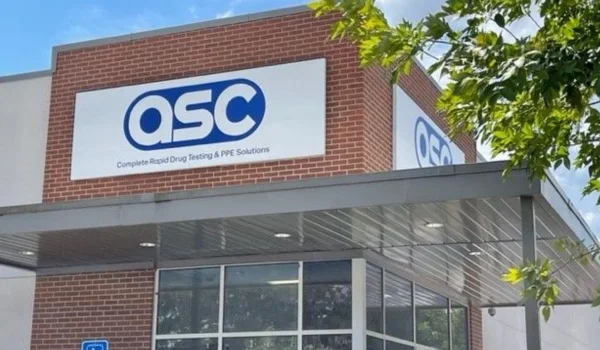
Early in the pandemic the Federal Trade Commission (FTC) sued American Screening, accusing the company of taking online orders for PPE (masks, sanitizer, etc.) and failing to deliver, while not providing timely notices or refunds as required by the Mail, Internet and Telephone Order Rule (the “Mail Order Rule”). The district court granted summary judgment for the FTC, ordering nearly $14.7 million in consumer refunds and permanently enjoining the company from advertising or selling PPE. American Screening appealed; the Eighth Circuit affirmed the district court’s judgment in June 2024. These decisions make the company a clear example of the FTC cracking down on pandemic-era sellers who misrepresented product availability and failed to refund customers.
Why it matters: the Mail Order Rule requires timely notice when shipping will be delayed and gives consumers a right to cancel and obtain prompt refunds. The FTC has used that rule to recover millions for consumers from companies that took payment but didn’t ship or refund. If you ordered PPE and never received it, this is precisely the type of enforcement action that can return your money — and it shows regulators will seek large monetary relief and injunctions when consumer harm is widespread.
Employment discrimination suit — EEOC settlement over natural hair
Separate from the FTC matter, the U.S. Equal Employment Opportunity Commission (EEOC) brought a racial discrimination suit against American Screening after an employee alleged she was fired because she wore her natural hair (type commonly associated with Black hair). In 2024 the parties reached a settlement in which American Screening agreed to pay $50,000 and take steps such as providing Title VII training and revising policies to prevent race/hair-texture discrimination. The EEOC framed the claim as a classic Title VII race discrimination issue (disparate treatment based on traits associated with race).
Why it matters: courts and regulators have increasingly recognized that grooming or appearance policies can disproportionately impact employees of certain races (for example, Black employees with natural hair). Employers should review policies that require “professional” looks and ensure they don’t impose disparate burdens on protected groups. The EEOC settlement is a reminder that even relatively modest monetary settlements can carry corrective-action obligations and mandated training.
Bankruptcy and other litigation
American Screening also filed Chapter 11 bankruptcy protection on April 7, 2023, reflecting the company’s financial stress amid litigation and consumer claims. The bankruptcy filings and related court records (available on PACER/pacermonitor) show the company attempting to reorganize while facing competing creditor and consumer claims. Additionally, there are other civil disputes on the dockets (including business/counter-claims such as a RICO-style suit listed in court indexes), which is common when a business with many vendors, customers, and regulatory actions is in distress.
Why it matters: bankruptcy changes how individual claimants collect money — often creditors and claimants must file in the bankruptcy case and recover on a pro rata basis. High-profile enforcement judgments can push a small company toward reorganization or liquidation.
Timeline (clean, quick)
- April 7, 2023: American Screening files Chapter 11 bankruptcy.
- 2022–2023: FTC enforcement alleging misleading PPE sales; district court grants summary judgment and orders restitution and injunctions.
- June 27, 2024: Eighth Circuit publishes opinion affirming district court remedies (refunds and permanent injunction).
- October 27, 2021 → April 2024: EEOC files race-discrimination charge and the parties reach a settlement (announced April 2024), with $50,000 payment and corrective steps.
Practical takeaways for consumers, employers, and regulators
For consumers
- If you ordered PPE (or similar items) and were never shipped or refunded, FTC actions like this show you may have a path to recovery — contact your bank for chargebacks and check FTC/AG notices for restitution programs. The Mail Order Rule gives specific protections around shipping delays and refunds.
For small businesses/ecommerce sellers
- Be transparent about availability and shipping times. If you can’t ship, the Mail Order Rule often requires you to notify customers and offer cancellations/refunds promptly. Failing to do so risks big enforcement actions and huge restitution orders.
For employers
- Re-examine grooming/appearance policies for disparate impacts. Train managers on Title VII and what constitutes race-related discrimination, including rules about hair texture. EEOC enforcement is increasingly sensitive to these issues.
For legal observers / investors
- This is an example of cross-track legal risk: FTC consumer enforcement, EEOC employment claims, private civil suits, and insolvency proceedings can overlap and amplify one another. Companies that scale rapidly during crises (like pandemic sellers) should maintain compliance controls to avoid regulatory and civil exposure.
Where to read the primary sources
- FTC case page and documents summarizing the complaint and remedies.
- Eighth Circuit opinion and appellate filings (Justia summary and full opinions).
- EEOC press release and settlement details.
- Bankruptcy filings and plan documents on PACER / pacermonitor.
FAQ
Q: Did American Screening go out of business?
A: They filed Chapter 11 on April 7, 2023, meaning they sought court-supervised reorganization; filing does not automatically mean permanent closure, but it does reflect significant financial distress and a restructuring process.
Q: Can a single consumer get money back from the FTC’s $14.7M order?
A: The court-ordered relief typically funds direct refunds to affected consumers through a claims process or through disgorgement distributed by an appointed receiver; check FTC notices and the case docket for claims instructions.
Q: Is the company still allowed to sell anything?
A: The permanent injunction in the FTC case specifically barred advertising or selling PPE; other business activities could be limited by court orders, bankruptcy obligations, or settlements (and employers should review docket entries for exact scope).

 Oliver Johnson is LawScroller’s Senior Legal Correspondent specializing in civil litigation, class actions, and consumer lawsuit coverage. He breaks down complex settlements and court decisions into clear, practical guidance for readers.