
If you’ve received a notice that a credit card company has filed a lawsuit against you, it’s natural to feel stressed. Questions like “What are my chances of winning?”, “Can I settle?”, and “What happens next?” start to pile up.
Understanding credit card lawsuits can help you make informed decisions. This article explains what a credit card lawsuit is, who’s affected, how the process usually works, what’s at stake, and practical steps you can take. We also include a simple timeline and a FAQ section to answer common questions about winning—or defending against—these cases.
Background: What Is a Credit Card Lawsuit?
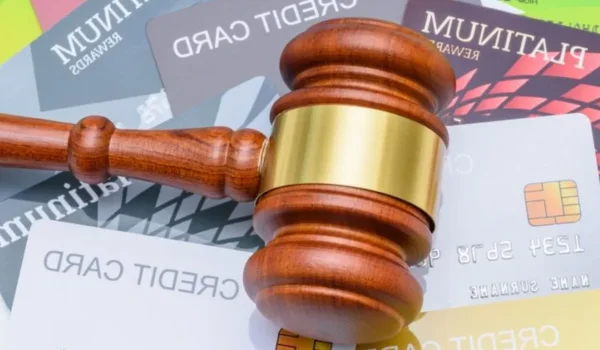
A credit card lawsuit occurs when a bank or credit card company sues a cardholder to recover unpaid debt. Essentially, the creditor claims you owe money, and they want the court to force repayment.
Credit card lawsuits are common in the U.S., especially if balances have gone unpaid for months or years. Lawsuits can result from:
- Missed minimum payments
- Charged-off accounts
- Disputes over fees or interest
It’s important to understand that a lawsuit is not an automatic judgment against you. You have the right to respond, negotiate, and even challenge the claim in court.
Who’s Affected by a Credit Card Lawsuit?
Credit card lawsuits mainly affect the following groups:
- Cardholders
If you have outstanding debt and haven’t made recent payments, you could be targeted by a creditor. Your credit report and financial record may also be affected.
- Family Members or Co-Signers
If someone co-signed a credit card account, they might also be responsible for the debt.
- Credit Card Companies
For creditors, filing a lawsuit is often a last resort to recover money owed.
- Legal Professionals
Attorneys may represent either the creditor or the cardholder, making knowledge of the process important for both sides.
Timeline: How a Credit Card Lawsuit Usually Unfolds
While each case is unique, here’s a straightforward timeline for typical credit card lawsuits:
Step 1: Notice of Debt
You may first receive collection letters or calls. Often, this is your last chance to resolve the debt before legal action.
Step 2: Lawsuit Filed
The creditor files a lawsuit in court, and you’ll receive a summons and complaint. This document explains the amount claimed and the court date.
Step 3: Response
You usually have 20–30 days to respond to the lawsuit. Responses can include admitting the debt, disputing the debt, or asking the court for more information.
Step 4: Discovery
Both sides may exchange evidence, such as statements, contracts, and payment histories. This phase can affect your chances of winning.
Step 5: Settlement Negotiations
Many lawsuits are resolved before trial through settlements, payment plans, or debt reduction agreements.
Step 6: Trial
If no settlement is reached, the case goes to trial. A judge decides whether the debt is valid and if you must pay.
Step 7: Judgment and Collection
If the court rules in favor of the creditor, a judgment is entered, which could allow wage garnishment, bank account levies, or liens on property.
What’s at Stake in a Credit Card Lawsuit?
The potential consequences vary depending on whether you win, settle, or lose:
💰 Financial Impact
- Winning may reduce your debt if you successfully dispute it or prove errors.
- Losing may result in a judgment that allows the creditor to garnish wages or seize assets.
📜 Legal Costs
Court fees, attorney fees, and interest can add up. Settling early may reduce costs.
🏦 Credit Score
Even before a lawsuit, unpaid debt can harm your credit score. A judgment can make it worse.
⚖️ Legal Rights
Understanding your legal rights, like disputing debt or asking for documentation, is crucial.
What Affects Your Chances of Winning a Credit Card Lawsuit?
Your chances of winning depend on several factors:
- Evidence – Having documentation of payments, disputes, or errors increases your chances.
- Statute of Limitations – If the debt is very old, you may have a legal defense that bars the creditor from suing.
- Errors or Fraud – If the creditor cannot prove the debt or the amount, you may win.
- Settlement Offers – Sometimes negotiating a settlement is better than risking trial.
What to Watch Next: Key Steps and Updates
If you’re involved in a credit card lawsuit, keep these in mind:
- Court Notices – Always check official filings and deadlines.
- Settlement Opportunities – Creditors often prefer settling to avoid trial.
- Evidence Requests – Respond promptly to discovery requests to strengthen your defense.
- Legal Advice – Consulting a qualified attorney can improve your chances of winning.
- Case Updates – Monitor your court’s online docket or receive updates from your attorney.
Frequently Asked Questions (FAQ)
- What are my chances of winning a credit card lawsuit?
It depends on your evidence, the statute of limitations, and whether the creditor can prove the debt. Strong documentation and timely responses improve your chances.
- Can I settle a credit card lawsuit before trial?
Yes. Most cases settle before trial through payment plans, reduced balances, or negotiated agreements.
- What happens if I ignore a credit card lawsuit?
Ignoring it can lead to a default judgment, allowing the creditor to garnish wages, levy bank accounts, or place liens on property.
- Can I dispute the debt in court?
Yes. You can request proof of the debt, challenge errors, or argue that the statute of limitations has expired.
- How long does a credit card lawsuit take?
It varies. Many cases settle within months, but trials can extend the process for a year or more.
- Should I hire an attorney?
While not required, having a lawyer experienced in credit card lawsuits significantly improves your ability to defend yourself and negotiate settlements.
Final Thoughts: Stay Informed and Prepared
Receiving a credit card lawsuit notice can be stressful, but understanding the process and your rights makes it more manageable. Your chances of winning improve with proper documentation, timely responses, and legal guidance.
Even if you can’t fully defeat the lawsuit, options like settlement negotiations or payment plans can minimize financial impact. Staying informed, monitoring case updates, and seeking advice from professionals ensures you make the best decisions for your situation.

 Oliver Johnson is LawScroller’s Senior Legal Correspondent specializing in civil litigation, class actions, and consumer lawsuit coverage. He breaks down complex settlements and court decisions into clear, practical guidance for readers.