
If you took Zantac — or its generic form, ranitidine — and later developed cancer, you may have heard that you can file a lawsuit. But one of the most common questions is: “How long will this take?” That’s hard to answer with certainty. Zantac-related litigation involves thousands of claims, complex science, and shifting legal rulings. Many people who sign up for these cases wonder whether they’ll see a result — or money — in months, or if they should be ready for a long haul.
This article explains in simple terms what typically happens, the stages involved, who’s affected, and what factors influence the timeline. If you’ve been thinking — or already filed — read on.
Background: What Is the Zantac Lawsuit All About?
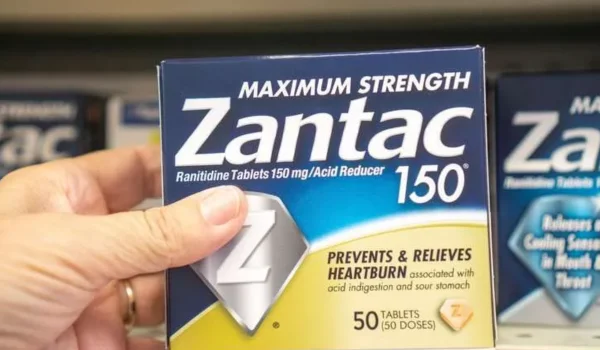
Zantac was once a popular over-the-counter and prescription medication for heartburn, acid reflux, and ulcers. In 2019, safety concerns arose when tests found that Zantac (and other ranitidine products) could degrade over time into a chemical called NDMA — a known carcinogen. That triggered lawsuits from people across the U.S. claiming their long-term use of Zantac caused various cancers.
Because so many people filed suit — often independently — the lawsuits were consolidated into a multidistrict litigation (MDL) to make the process more manageable for courts and attorneys.
Over the years, the litigation landscape has shifted. Some cases ended in dismissals, others are settled, and many remain pending. As of late 2025, there are still thousands of active Zantac lawsuits across state and federal courts.
Because each individual case is still separate, the overall timeline for “the Zantac lawsuit” depends a lot on which manufacturer you sued, which court your claim is in, and whether you opt for settlement or go to trial.
Who’s Affected by the Zantac Lawsuit?
- Individuals who took branded Zantac (or ranitidine) — especially those who took it regularly for years before the 2019 recall.
- People diagnosed with certain cancers — claims typically involve cancers such as bladder, liver, kidney, stomach, pancreatic, intestinal, esophageal, prostate, lung (non-smokers), and others.
- Families of individuals who have died — survivor or wrongful-death claims are often part of Zantac litigation.
- Anyone who acted as a claimant or considered filing — some law firms have limited intake or shifted strategies, so timing and eligibility matter.
In short: if you used Zantac and later developed a relevant illness, or you’re handling a claim on behalf of someone who did, you’re impacted by this litigation — but timing and outcome vary a lot by case.
What the Zantac Lawsuit Process Looks Like
Because there are many lawsuits under the Zantac MDL (and related state actions), not every case moves the same way. But here’s a simplified overview of typical stages and how long each tends to take:
- Filing the Claim & Intake (Few weeks to several months)
Once you contact an attorney and sign up, they compile medical records, prescription history, exposure documentation, and any cancer-diagnosis data.
- Pre-trial Processing & MDL Coordination (Months to 1–2 years)
Because Zantac lawsuits are organized within an MDL (federal) or consolidated in select states, cases must be coordinated: common motions, sorting of claims, early discovery, and motions over expert testimony. This phase has already taken multiple years since the MDL was formed.
- Bellwether Cases, Trials, or Settlements (1–3 years, or more)
Bellwether trials — test-cases meant to reflect many similar lawsuits — have begun. Some went to jury trial; outcomes have varied.
At the same time, many plaintiffs are settling outside court against certain manufacturers.
Depending on whether your case settles or goes to trial, this stage can stretch from months (if you settle) to several years (if you go through judgment, appeals, etc.).
- Appeals or Finalization (if trial happens) (6 months to 2 years or more)
If the case goes to trial and either side appeals the result, the process could stretch further.
- Payouts / Settlements / Case Closure
If you settle or win at trial (and appeals are resolved), payout distribution, lien resolutions (for medical bills), and final paperwork can take additional months — often adding a few extra months beyond the verdict or settlement agreement.
Bottom line: a Zantac lawsuit might resolve — from filing to payout — in roughly 2–5 years, if everything proceeds without hitches. Some settled more quickly; others are still ongoing after several years.
What’s at Stake in the Zantac Lawsuit
For Plaintiffs and Claimants
- Potential compensation, including medical bills, lost wages, pain and suffering, and sometimes wrongful-death damages.
- Justice and accountability from manufacturers if there was wrongdoing or failure to warn.
- Closure for individuals or families affected by illness.
For Manufacturers
- Multi-billion dollar liability: some large settlements have already been reached (or negotiated).
- Reputational damage, regulatory scrutiny, and legal precedent for future drug liability cases.
For the Broader Public & Future Patients
- Awareness about drug safety, ingredient testing, and the importance of timely warnings.
- Potentially stricter regulations and oversight on pharmaceuticals.
- Precedent for mass tort litigation and how patients can hold companies accountable.
Key “Case Updates” for Zantac Lawsuits
- Ongoing settlement waves. Some recent data show declining numbers of active federal Zantac lawsuits — likely because of secret settlements.
- State court cases continuing, especially in Delaware. Many claims remain pending, appealing, or awaiting trial dates.
- More bellwether trials and verdicts. As trials continue (and more occur), each outcome could influence how remaining cases settle or proceed.
- Appeals and legal challenges over expert testimony and admissibility. Because a major 2022 MDL ruling dismissed many claims over expert-evidence standards, appeals and challenges are shaping how future Zantac litigation may be judged.
If you’re involved in a claim or considering joining, pay attention to your attorney’s updates: rulings, settlement offers, and expert-testimony decisions may steer the direction and speed of your case.
Common Questions About the Zantac Lawsuit Timeline
- How long has the Zantac lawsuit been going on?
The formal litigation began soon after safety concerns and recalls around 2019–2020. The MDL was established in early 2020.
As of 2025, more than five years have passed — and many claims remain unresolved. - Can a Zantac claim settle quickly?
Yes — if a settlement agreement is reached. Some plaintiffs have reportedly resolved their cases within a couple of years, depending on the manufacturer and the claim details. - Does every Zantac case go to trial?
No. Many get settled out of court. Trials are often limited to “bellwether” test cases, used to guide how other claims are valued and resolved. - What happens if a case does go to trial?
A trial could take days to weeks, but the entire pre-trial process (discovery, expert reports, motions) can take months or years. If the plaintiff wins — or if there’s a viable settlement — there may still be delays while judgments are finalized and appeals are resolved. - Are you still eligible if you used generic ranitidine instead of brand-name Zantac?
That depends. Some law firms and courts limit claims to those who used brand-name Zantac. Eligibility criteria vary, especially for older cases. - When can I expect any payment (if I win or settle)?
Even after a settlement agreement or verdict, payouts often take several months to process, because of claims review, lien resolution (for medical bills), and other administrative work. For many claimants, funds may arrive 1–2 years after agreement, depending on complexity.
Conclusion
The Zantac lawsuits are complicated, because they involve thousands of claims, scientific uncertainty, and legal complexity. For many people, the process — from filing to final payout — may last 2 to 5 years. Some may have their cases resolved sooner through settlements, others may wait longer if they go to trial or appeal.
If you took Zantac and believe you’re eligible, it’s important to act promptly — to meet deadlines and gather documentation. At the same time, temper expectations: meaningful resolution may take time. But when justice, compensation, and accountability are on the line, that wait may be worth it.

 Oliver Johnson is LawScroller’s Senior Legal Correspondent specializing in civil litigation, class actions, and consumer lawsuit coverage. He breaks down complex settlements and court decisions into clear, practical guidance for readers.