
If you’ve been searching for “Mielle hair oil lawsuit,” you’re likely trying to cut through a mix of social media chatter and actual legal developments involving the popular hair-care brand Mielle Organics. This article breaks down everything you need to know in plain, everyday language, including what the lawsuits are about, who’s involved, a simple timeline, what’s at stake, and key questions people are asking like who can claim or whether there’s a Mielle hair oil lawsuit settlement.
When Beauty Products Spark Legal Action
Mielle Organics became a go-to brand for many people because of its natural-leaning ingredients, especially in the Rosemary Mint Scalp & Strengthening Hair Oil. People loved the product for claims that it supported hair growth and scalp health. But recent legal complaints have put this claim—and others—under scrutiny.
Rather than a single lawsuit, several class action claims have been filed alleging problems ranging from misleading “natural” and “Made in the USA” marketing to hair loss and other adverse effects from the products. These legal actions are part of a broader trend of consumers holding beauty brands accountable for what they say and how products perform.
Background
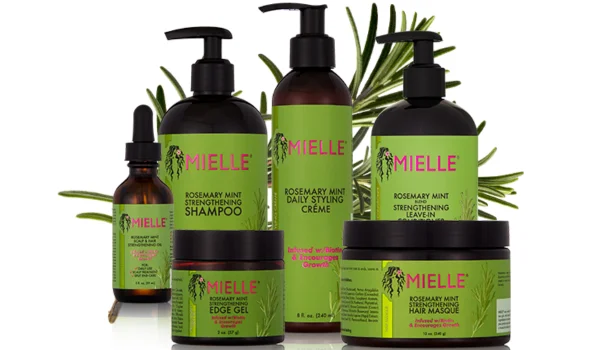
There are a few different—but related—legal complaints involving Mielle Organics and its hair oil products:
- Hair Loss and Injury Lawsuits
A federal class action lawsuit filed in November 2024 claims that Mielle Organics’ Rosemary Mint Scalp & Strengthening Hair Oil may cause hair loss or other physical injuries and that the company failed to warn consumers about these risks. The lawsuit alleges that Mielle (and its parent company Procter & Gamble) marketed the product as safe without properly testing it or disclosing potential risks. - Misleading Marketing and Labeling Claims
Other legal complaints argue that Mielle marketed products as “made in the USA” and “natural” even though the products contain synthetic or foreign-sourced ingredients and may not fully meet strict regulatory standards for those claims.
Not all controversies have turned into lawsuits, despite social media claims; at times, Mielle has publicly stated that no active legal proceedings exist. However, at least one federal class action has been filed and remains part of the public record.
Who’s Affected by the Mielle Hair Oil Lawsuit
- Consumers Who Bought or Used the Product
The lawsuits seek to represent people across the U.S. who purchased Mielle’s rosemary mint hair oil or related hair care products for personal use within the statutory period. This is a class action—meaning the legal claim is brought on behalf of a larger group rather than just one individual.
- Plaintiffs in the Class Action
The named plaintiffs (people who filed the lawsuit) allege that they experienced hair loss or injury and were not properly warned. They’re asking the court to allow others who bought the products to join the case.
- Mielle Organics and Procter & Gamble
As defendants, Mielle and its parent company P&G are defending against allegations of misrepresentation, negligent testing, and failure to disclose product risks. They may face financial liability, reputational impact, and orders to change labeling or marketing in the future if plaintiffs prevail or if a settlement is reached.
- Hair-Care Customers Generally
These cases could influence how other beauty brands describe safety, efficacy, and “natural” origins—especially in advertising.
Timeline of Events
Here’s a clear timeline of key developments in the Mielle hair oil lawsuit:
📆 2023–Early 2024:
Social media users post concerns about hair loss and irritation allegedly linked to Mielle’s hair oil products. Mielle responds publicly that there were no active lawsuits and that product safety testing was ongoing.
📆 Late 2024:
A federal class action lawsuit—Gomes v. Mielle Organics LLC, et al.—is filed on November 21, 2024, in the U.S. District Court for the Northern District of Illinois. The complaint alleges that the Rosemary Mint Scalp & Strengthening Hair Oil can cause hair loss and that Mielle failed to disclose those risks.
📆 2025:
Other related legal actions and consumer class action filings focus on labeling claims, including false “Made in USA” and “natural” marketing. These claims are filed in courts and highlighted in legal news sources.
📆 Case Update:
The federal complaint remains part of ongoing litigation, and class action status, evidence-gathering, and motions are expected to continue through 2025 and beyond.
What’s At Stake
🧴 Consumer Compensation
If plaintiffs prevail or reach a Mielle hair oil lawsuit settlement, members of the class may be entitled to:
- Refunds of purchase prices
- Monetary damages for alleged injuries
- Restitution for deceptive marketing practices
Whether compensation becomes available depends on the court’s rulings or settlement negotiations.
🛍️ Truth in Advertising
One key issue is whether Mielle’s labeling and marketing are misleading. If so, the court could order changes to packaging and advertising, and require clearer disclosures.
🧪 Product Safety and Testing Standards
The outcome may influence how other beauty brands test products, especially those marketed as “natural” or “safe.”
⚖️ Legal Precedent
Lawsuits like this can shape future courtroom decisions about how states enforce consumer protection laws against cosmetic and hair product companies.
What to Watch Next
If you’re following the Mielle hair oil lawsuit, here are things to watch for:
🧾 Class Certification Decisions
A key step in any class action is whether the court certifies the group of consumers who can participate. Certification determines who can claim in the lawsuit.
💬 Defendant Responses and Motions
Mielle and P&G may file motions to dismiss some claims or require plaintiffs to provide more specific evidence of product causation.
🤝 Settlement Talks
In many class actions, parties negotiate a lawsuit settlement rather than going to trial. Settlements often include details on how consumers can file claims and receive compensation.
📣 Public Health Updates
Regulatory actions or safety advisories from consumer protection agencies could influence the legal case or inform consumers directly.
FAQ: Mielle Hair Oil Lawsuit
- What is the Mielle hair oil lawsuit about?
The lawsuit claims that Mielle Organics and Procter & Gamble sold Rosemary Mint Scalp & Strengthening Hair Oil without warning that it may cause hair loss or other injuries, and engaged in misleading marketing.
- Is there a Mielle hair oil lawsuit settlement?
As of the latest case update, no public settlement has been announced. The case is ongoing in federal court.
- Who can claim compensation?
Typically, members of the proposed class who purchased the specified Mielle products within the applicable time period could be eligible if the class is certified and a settlement or judgment occurs.
- Does this mean the product is unsafe?
A lawsuit is an allegation, not a court finding. The case argues that consumers were not adequately warned and that testing was insufficient, but regulators and courts evaluate evidence before making legal determinations.
- Should I stop using Mielle products?
Decisions about personal care products should be made with care. If you have experienced problems, consider discussing them with a healthcare provider or dermatologist.
- Are social media claims about the lawsuit accurate?
Not all claims online are verified. Mielle has at times stated that some social media narratives were inaccurate, but at least one formal class action has been filed in court.
Final Thoughts
The Mielle hair oil lawsuit reflects growing consumer scrutiny of beauty product claims, especially when products are marketed as natural or Made in the USA. Whether you’re concerned about advertising practices, potential health effects, or who can claim damages, this case highlights the legal process that consumers use to hold companies accountable.

 Oliver Johnson is LawScroller’s Senior Legal Correspondent specializing in civil litigation, class actions, and consumer lawsuit coverage. He breaks down complex settlements and court decisions into clear, practical guidance for readers.