
Manatees are often called the “gentle giants” of the sea. These slow-moving marine mammals are famous for their calm nature, round faces, and peaceful behavior around humans. Tourists visiting Florida and other coastal areas are often tempted to touch, pet, hug, or swim closely with them. That naturally leads many people to ask: why is it illegal to pet a manatee?
The answer comes down to wildlife protection, conservation, and safety.
In the United States, manatees are protected under federal and state laws that prohibit harassment, disturbance, injury, or interference with these animals. Even touching a manatee in what seems like a harmless or friendly way can sometimes violate those laws.
Many people are surprised because manatees often appear curious and approachable. But wildlife officials say human interaction can harm both the animals and the long-term survival of the species.
Here is a detailed look at why manatee touching laws exist, what behaviors are prohibited, possible penalties, and how these protections help conserve one of America’s most beloved marine animals.
What Is a Manatee?
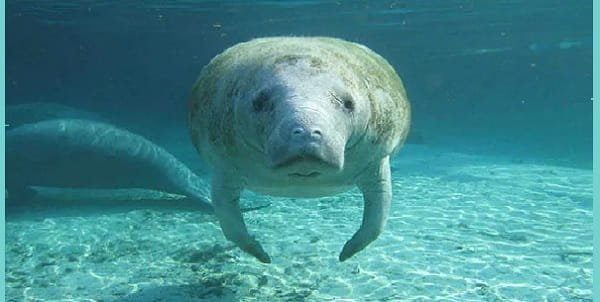
A manatee is a large aquatic mammal sometimes nicknamed a “sea cow.”
In the United States, the most commonly known species is the:
West Indian manatee
Manatees are found mainly in:
- Florida waters
- Rivers
- Springs
- Coastal estuaries
- Warm-water habitats
These animals are herbivores and spend much of their time:
- Grazing on aquatic plants
- Floating slowly
- Resting near the surface
Because they move slowly and frequently surface for air, they are highly vulnerable to human activity.
Is It Actually Illegal to Pet a Manatee?
In many situations, yes.
Federal and Florida laws prohibit harassment or disturbance of manatees.
This protection comes primarily from:
- The Marine Mammal Protection Act
- The Endangered Species Act
- Florida state wildlife laws
Under these laws, it is generally illegal to:
- Chase manatees
- Ride manatees
- Feed manatees
- Grab manatees
- Poke or touch them in disruptive ways
- Interfere with their normal behavior
Even actions that seem affectionate may legally qualify as harassment.
Why Are Manatees Protected So Strictly?
Manatees are considered vulnerable wildlife that has faced major population threats for decades.
Major dangers include:
- Boat strikes
- Habitat loss
- Pollution
- Fishing gear entanglement
- Cold stress
- Red tide events
Because of these risks, wildlife agencies work aggressively to minimize additional stress caused by humans.
Touching or interacting with manatees can change their natural behavior and make them more vulnerable to danger.
What Counts as “Harassment” of a Manatee?
This is where many visitors become confused.
Wildlife laws define harassment broadly.
Harassment may include:
- Chasing a manatee
- Blocking its path
- Trying to hold or hug it
- Riding on it
- Separating mothers and calves
- Intentionally touching or pursuing it
Even repeated attempts to pet a manatee may qualify as illegal interference.
The law focuses not just on injury, but also on disturbing normal behavior.
Can You Accidentally Touch a Manatee?
Yes, accidental contact can happen, especially in places where manatees swim near people.
For example:
- A manatee may brush past a swimmer
- Contact may occur in crowded springs
Wildlife officials generally focus enforcement on intentional harassment rather than unavoidable accidental contact.
However, intentionally approaching or pursuing a manatee for touching is where legal problems arise.
Why Petting Manatees Can Harm Them
At first glance, touching a calm manatee may seem harmless. But conservation experts say repeated human interaction can create several problems.
Manatees Can Lose Fear of Humans
One major concern is habituation.
When manatees become too comfortable around people, they may:
- Approach boats more frequently
- Lose natural caution
- Enter dangerous areas
This increases the risk of deadly boat collisions.
Boat strikes are already one of the leading causes of manatee injuries and deaths.
Feeding and Touching Encourage Dependency
People sometimes feed or pet manatees believing they are helping them.
However, wildlife experts warn that this can:
- Alter feeding behavior
- Create unhealthy dependence on humans
- Draw animals into crowded boating areas
Wild manatees are meant to remain wild, not domesticated.
Stress and Disruption
Even gentle touching can interrupt important natural behaviors such as:
- Resting
- Feeding
- Nursing calves
- Migrating
Crowds surrounding manatees may create stress, especially in popular tourist areas.
Mother and Calf Separation Risks
Manatee calves depend heavily on their mothers.
Human interference may:
- Separate calves from mothers
- Interrupt nursing
- Cause panic or confusion
Wildlife officers pay especially close attention to interactions involving calves.
Federal Laws Protecting Manatees
Several major laws protect manatees in the United States.
Marine Mammal Protection Act (MMPA)
This federal law protects marine mammals from:
- Harassment
- Hunting
- Injury
- Disturbance
The law applies broadly to human interaction with marine wildlife.
Endangered Species Act (ESA)
Although manatees were reclassified from “endangered” to “threatened” in 2017, they still receive strong federal protection.
The ESA prohibits:
- Harm
- Harassment
- Killing
- Disturbance of protected species
Florida State Laws
Florida has some of the strictest manatee protections in the country.
The state actively enforces:
- Speed zones for boats
- Wildlife protection areas
- Anti-harassment rules
Florida Fish and Wildlife Conservation Commission officers regularly patrol popular manatee habitats.
What Are the Penalties for Harassing a Manatee?
Violations can lead to:
- Fines
- Civil penalties
- Criminal charges
- Possible jail time in serious cases
Federal wildlife penalties can become substantial depending on:
- Severity of conduct
- Intentional harm
- Repeat violations
Even tourists may receive citations for unlawful interaction.
Is Swimming With Manatees Legal?
This is one of the most misunderstood topics.
In certain parts of Florida, people may legally swim near manatees under carefully regulated conditions.
However:
- Passive observation is usually allowed
- Active touching or chasing is not
For example, some eco-tour programs allow visitors to enter the water, but participants must follow strict rules.
Wildlife guidelines typically require:
- Floating calmly
- Avoiding pursuit
- Letting manatees approach naturally
Even then, touching is discouraged or prohibited.
Popular Florida Springs and Manatee Tourism
Manatees attract huge tourism crowds in places like:
- Crystal River
- Blue Spring State Park
- Homosassa Springs
These areas often have:
- Posted wildlife rules
- Ranger supervision
- Educational programs
Tourists may mistakenly assume the animals are tame because they appear relaxed around humans.
In reality, they remain federally protected wildlife.
Can You Take Photos With Manatees?
Usually, yes — from a respectful distance.
Photography itself is generally legal if it does not involve:
- Harassment
- Chasing
- Blocking movement
- Physical interaction
Problems arise when people prioritize selfies or social media content over wildlife safety.
Social Media Has Increased Manatee Problems
Wildlife officials say social media has increased inappropriate behavior toward manatees.
People sometimes post videos:
- Hugging manatees
- Riding them
- Touching calves
- Crowding animals for content
These viral interactions encourage others to copy unsafe behavior.
Authorities have repeatedly warned that:
- “Cute” videos may actually show illegal harassment.
Are Manatees Dangerous to Humans?
Manatees are generally considered gentle animals and are not known for aggressive attacks.
However:
- They are extremely large
- They can weigh over 1,000 pounds
- Startled animals may react unpredictably
More importantly, the laws exist primarily to protect the manatees — not necessarily humans.
Why Wildlife Laws Often Restrict Human Interaction
Many people wonder:
“If the animal likes attention, why ban touching?”
Wildlife protection laws often focus on long-term ecosystem health rather than individual encounters.
The goal is to prevent:
- Behavioral changes
- Human dependency
- Habitat disruption
- Increased mortality risks
Even friendly interaction can create harmful patterns over time.
Common Misconceptions About Petting Manatees
“It’s okay if the manatee comes to me.”
Not necessarily. Intentional touching may still violate rules.
“They like being petted.”
Wildlife officials discourage interpreting wild-animal behavior like domesticated pets.
“If I’m gentle, it’s legal.”
Gentleness does not automatically make interaction lawful.
“Only hurting a manatee is illegal.”
Harassment alone may violate wildlife laws.
Conservation Success and Ongoing Challenges
Manatee populations have improved in some areas due to:
- Conservation efforts
- Boat speed regulations
- Habitat protection
- Public awareness
However, manatees still face serious threats, especially from:
- Water pollution
- Habitat destruction
- Seagrass loss
- Boat traffic
Wildlife agencies continue to emphasize minimizing unnecessary human interference.
Best Practices Around Manatees
Wildlife officials usually recommend:
- Observe from a respectful distance
- Do not chase or pursue
- Avoid touching
- Never feed manatees
- Follow posted boating and swimming rules
Responsible wildlife viewing helps protect both the animals and their habitat.
Final Thoughts on Why It Is Illegal to Pet a Manatee
So, why is it illegal to pet a manatee?
The laws exist to protect these gentle marine mammals from harassment, behavioral disruption, injury, and long-term human dependency. Even though manatees often appear calm and friendly around people, touching or interfering with them can negatively affect their safety and survival.
Federal and Florida laws treat manatees as protected wildlife under the Marine Mammal Protection Act, the Endangered Species Act, and state conservation rules.
What may seem like a harmless or affectionate interaction can actually contribute to serious conservation problems over time. That is why wildlife experts encourage people to admire manatees respectfully — without touching, chasing, or disturbing them.
